Land Report #1: The Wall-Fire Island Dune‑Front Erosion and Snow Fencing Strategies
Primary dune face, Fire Island
A Comparative Review and Recommendation for a Unified Bio‑Mimetic Maintenance Approach
Frontispiece
The Wall
A single grain of fine white and rose quartz sand hops in the sea breeze at three millimeters per second.
The stalks and blades of beach grass entrap the wandering grain at their base.
Together, sea grasses and coastal winds build the primary dune, rising from six to eight feet above sea level to heights of forty feet over the course of many decades.
In the early 1900s, long before residential communities rose, this primary dune system stretched across Fire Island. Locals called it The Wall.
At higher elevations, where the salt ceiling of the sandbar thinned, a rare maritime forest could take root. Protected leeward of The Wall, it grew, patiently, quietly, for hundreds of years.
Introduction
Fire Island is a dynamic barrier island, a sandbar situated between the Atlantic Ocean and the Great South Bay. Its dune system forms the island’s first and most critical line of defense against ocean overwash, storm surge, and breaching. These dunes are not static features; they are living landforms shaped continuously by wind, waves, vegetation, and time.
Across Fire Island, 17 distinct communities maintain different dune‑front fencing practices, resulting in uneven dune performance, inconsistent aesthetics, and varying maintenance burdens. These practices range from traditional full‑height fencing, to contractor‑installed zig‑zag layouts based on town recommendations, to lighter bio‑mimetic systems that work with natural processes rather than against them.
This report documents existing practices through field photography, evaluates relative performance, and recommends a unified bio‑mimetic serpentine fencing approach as a sustainable, island‑wide dune maintenance strategy.
Understanding the Role and Limits of Dune Fencing
Dune fencing is not a storm stopper.
Fire Island’s location and function as a barrier island mean that storm‑driven erosion, overwash, and periodic breaching are inherent and inevitable. Over the course of our lifetimes, dunes will erode and rebuild repeatedly, regardless of fencing strategy.
Dune fencing instead serves a specific and valuable role: to build and maintain the berm and the foot of the dune, providing a temporary buffer that can delay overwash and breaching by hours rather than days. In storm conditions, those hours can determine whether ocean water reaches inland communities, infrastructure, and protected national seashore lands.
Dune fencing should therefore be understood as a maintenance practice, not a permanent structure.
Material Restraint and Long‑Term Sustainability
The less material introduced into the dune system, the more sustainably the island is treated.
Heavy timber posts and tall, uncut fencing may appear durable at installation, but during erosion and overwash they often become liabilities, mobilized as debris that damages dunes, vegetation, and habitat. By contrast, shorter fence sections, minimal embedment, and flexible configurations tend to bury quickly, dissipate wind energy, and fail in place rather than traveling across the beach.
Over time, these lighter materials become sand‑buried, decay naturally, and reintegrate into the dune system with minimal disturbance, reflecting an approach rooted in material humility and ecological compatibility.
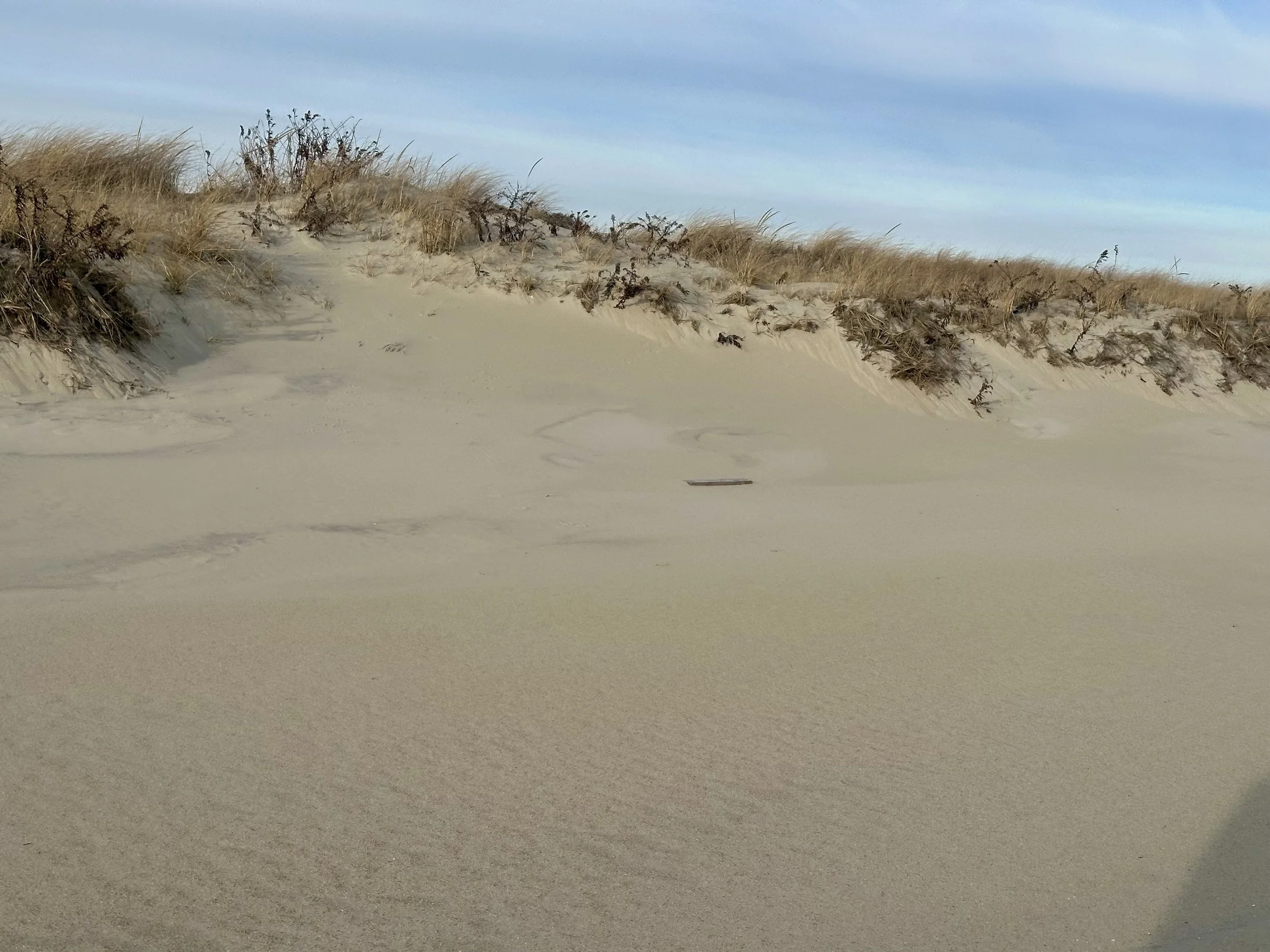
Scalped primary dune naturally refilling with wind-driven sand during winter months, Fire Island.
Existing Snow Fence Strategies on Fire Island
Standard Dune Fencing (Baseline Practice)
Standard practice across many communities consists of full‑height snow fencing mounted on vertical posts and installed parallel to the shoreline.
Provides uniform wind interruption
Establishes clear dune protection zones
Relies on tall posts and linear geometry
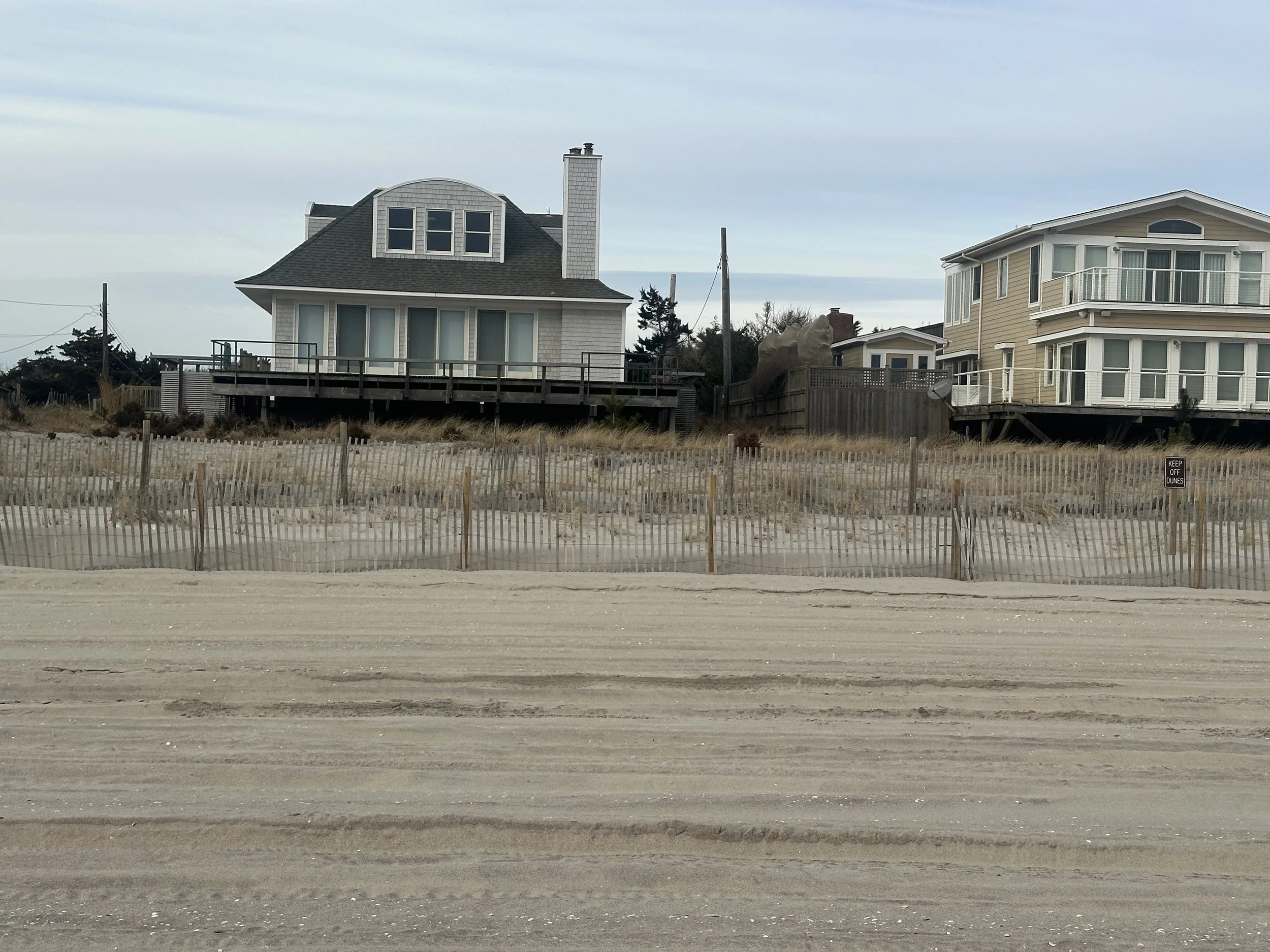
Figure 1A. Standard Dune Fencing Method (Baseline Condition)
Full‑height snow fencing installed on vertical posts parallel to the shoreline, representing the baseline dune maintenance practice currently employed across many Fire Island communities.
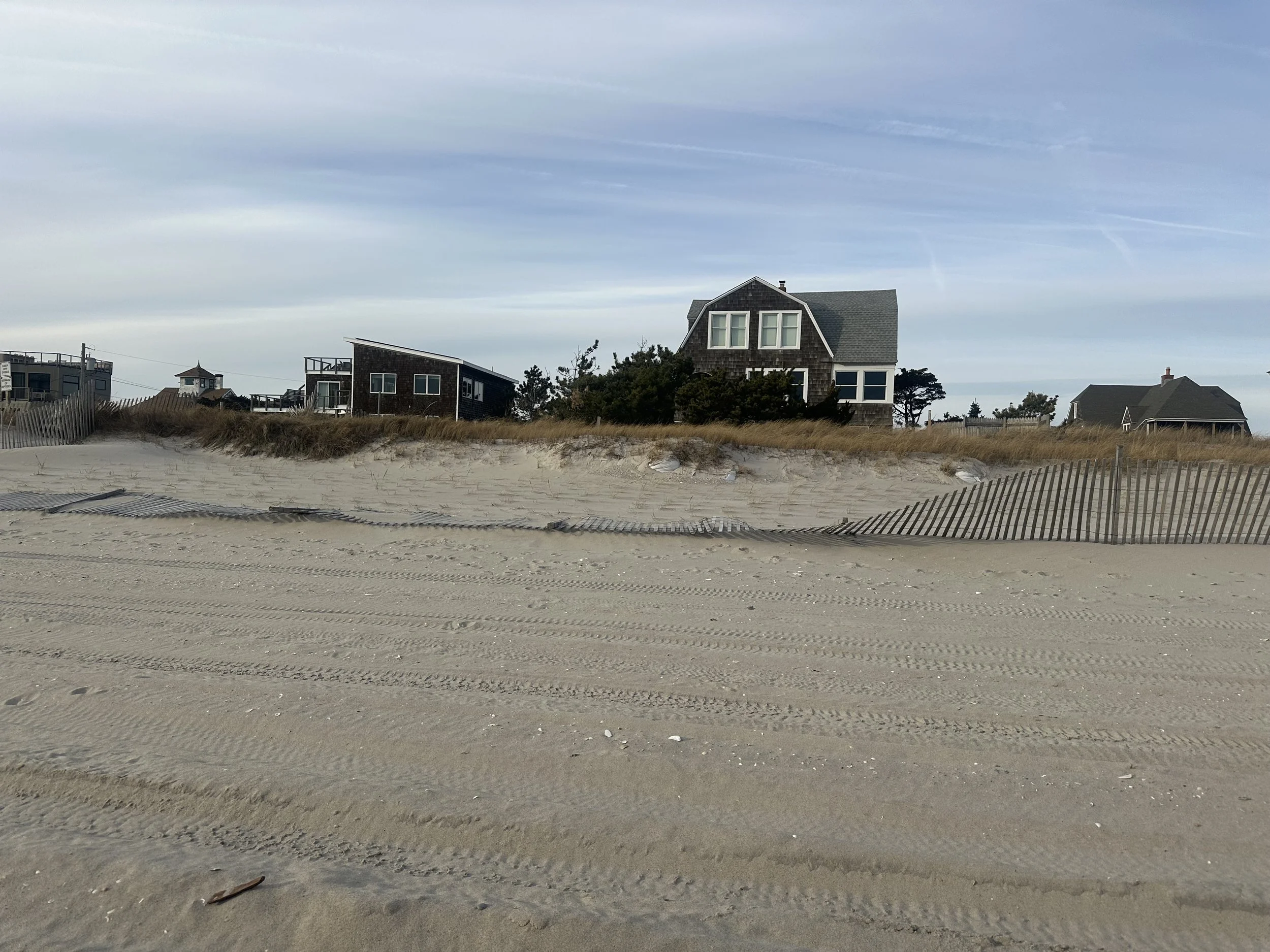
Figure 1B. Standard Dune Fencing Under Early Wind Exposure
Standard full‑height dune fencing shown prior to stabilization by sand accretion.
Contractor‑Installed Zig‑Zag Fencing (Town‑Recommended Design)
Some communities employ contractors to install zig‑zag fencing patterns following town design recommendations. These installations typically use full‑height fencing supported by rigid 4"×4" posts arranged in angular layouts.
While sand is captured, burial is often uneven and posts remain exposed for extended periods, increasing wind load, visual intrusion, and maintenance requirements.
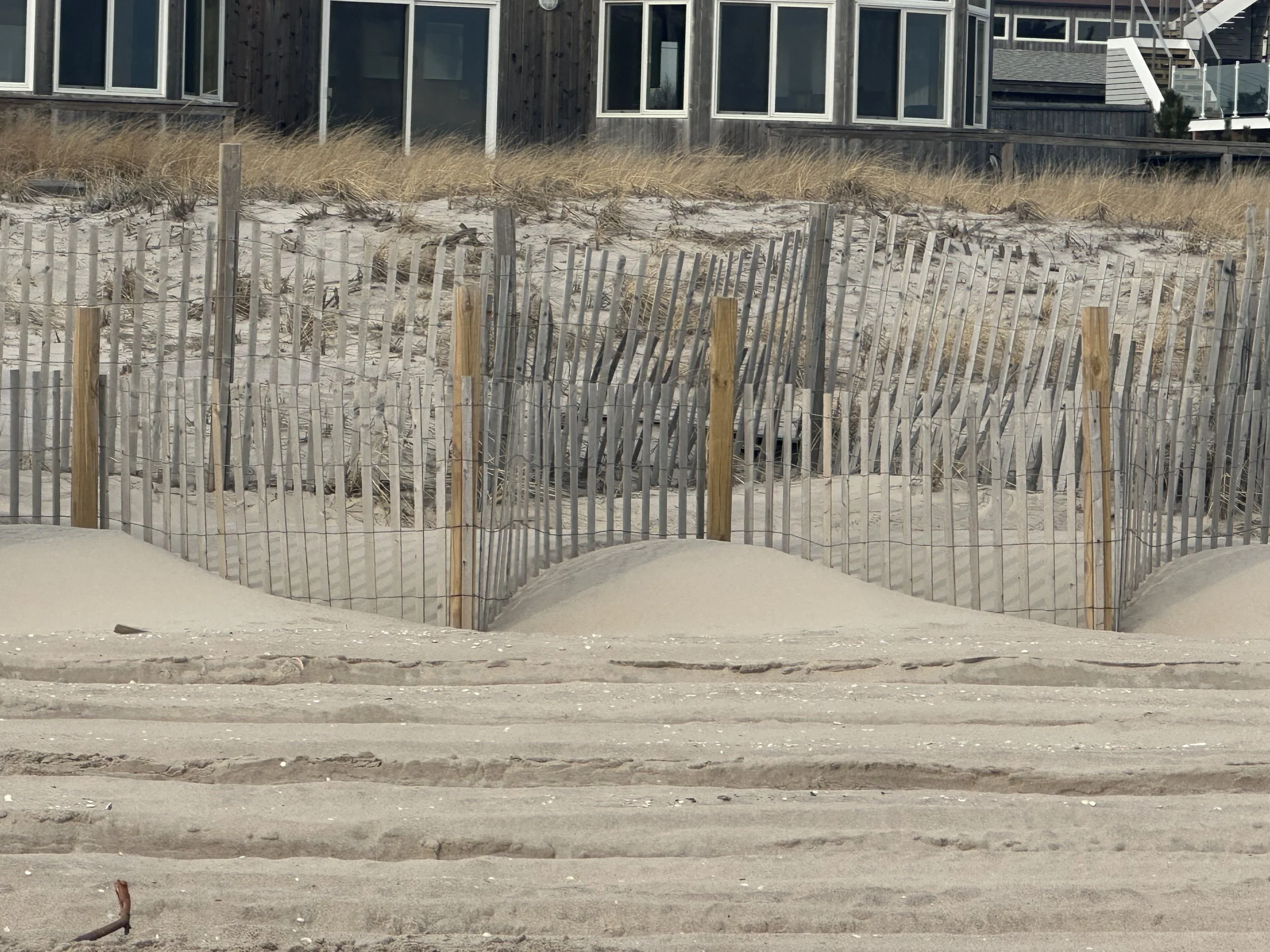
Figure 2A. Contractor‑Installed Zig‑Zag Fencing with 4"×4" Posts
Zig‑zag dune fencing installed using tall, rigid timber posts following town‑recommended design guidance.
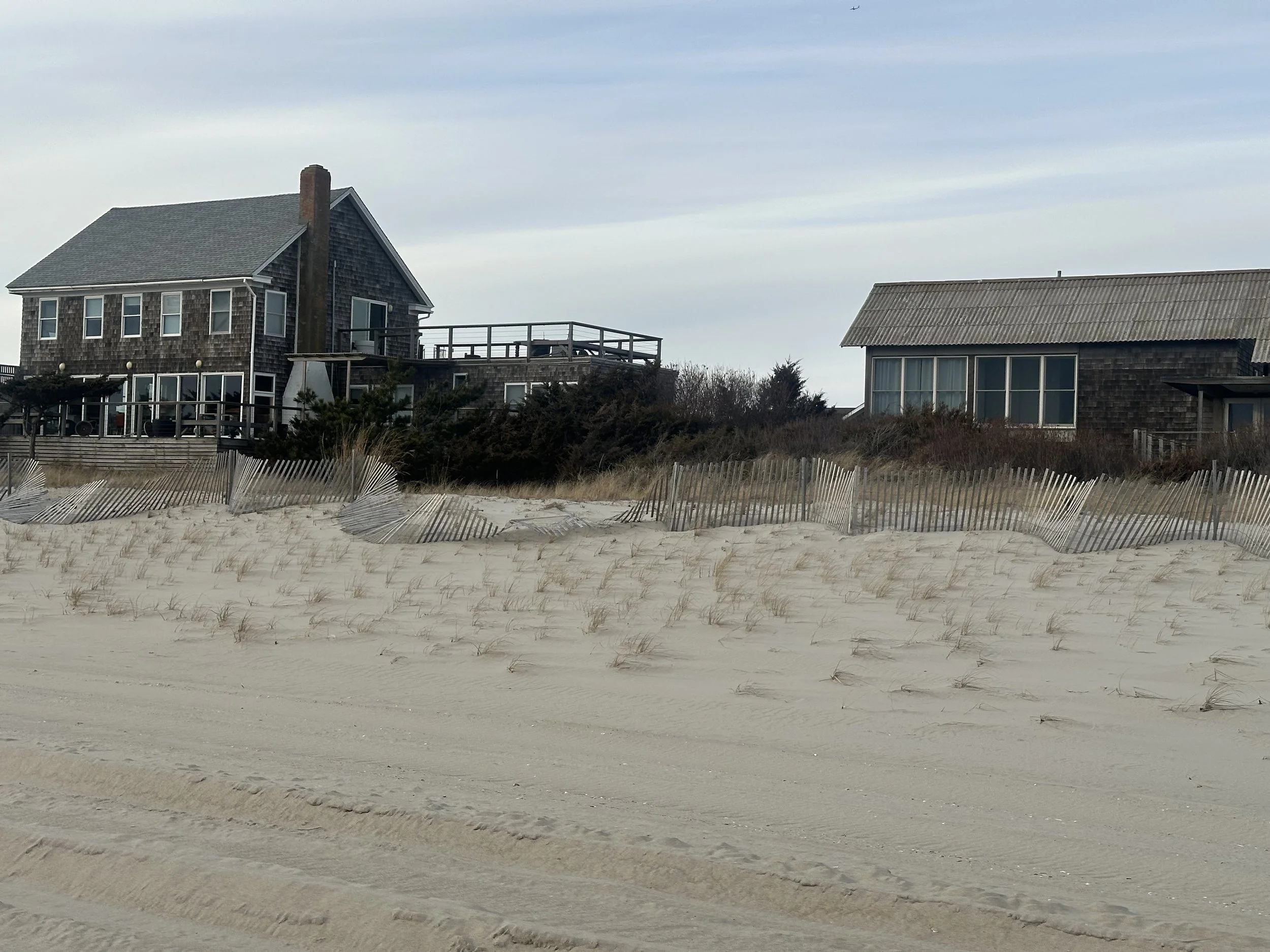
Figure 2B. Zig‑Zag Fencing Prior to Stabilization by Sand Accretion
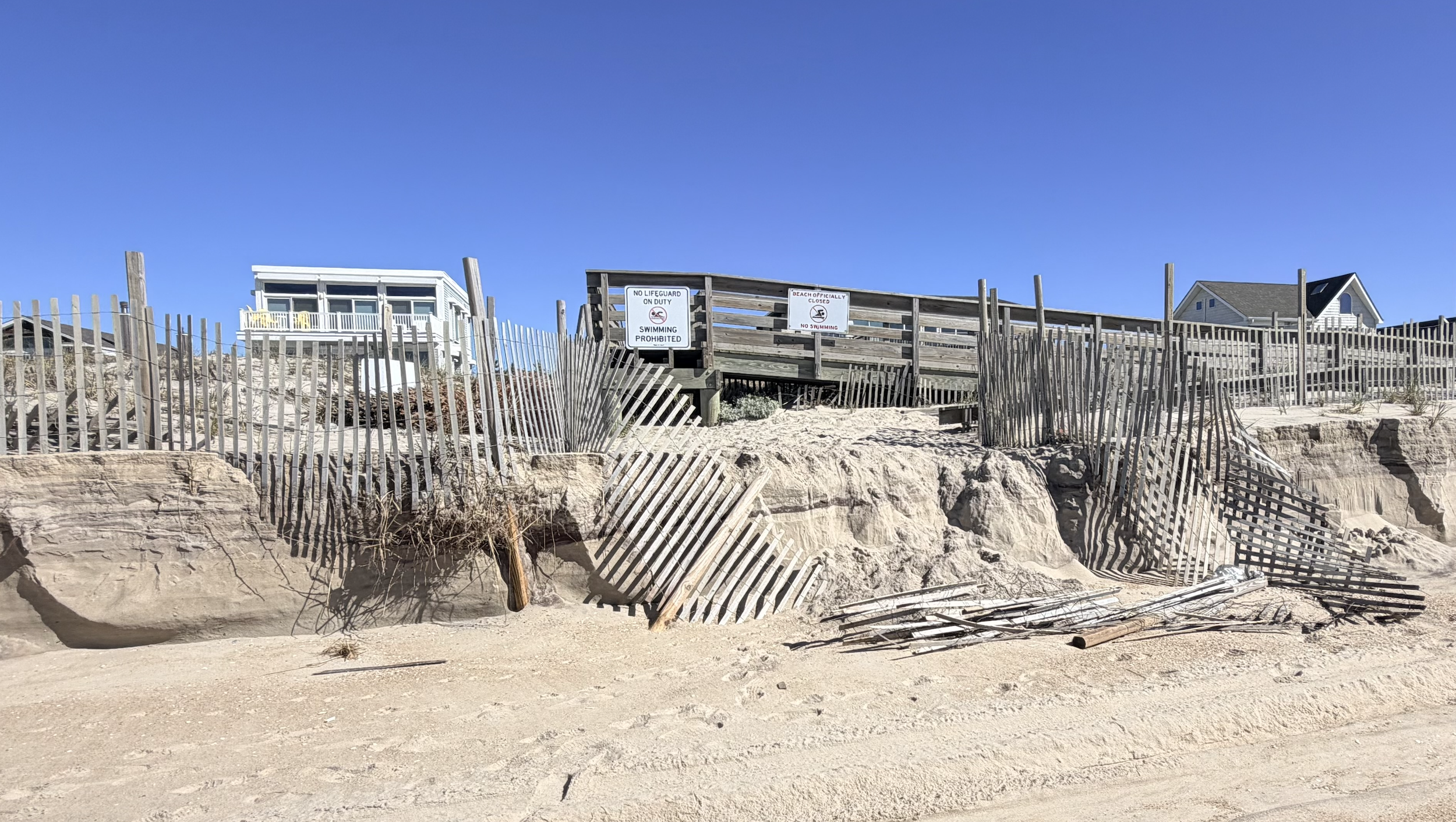
Figure 2C. Zig-zag dune fencing mounted on vertical 4” × 4” posts following displacement under erosion and wave activity.
Catch Basin Sand Capture Concepts
Several communities are experimenting with catch basin concepts, adapting tall post‑and‑fence systems into cage‑like configurations intended to concentrate sand at targeted berm locations.
Conceptually, these systems aim to box in sand. However, they rely on increased material input and rigid framing, introducing many of the same storm‑response challenges associated with traditional fencing.
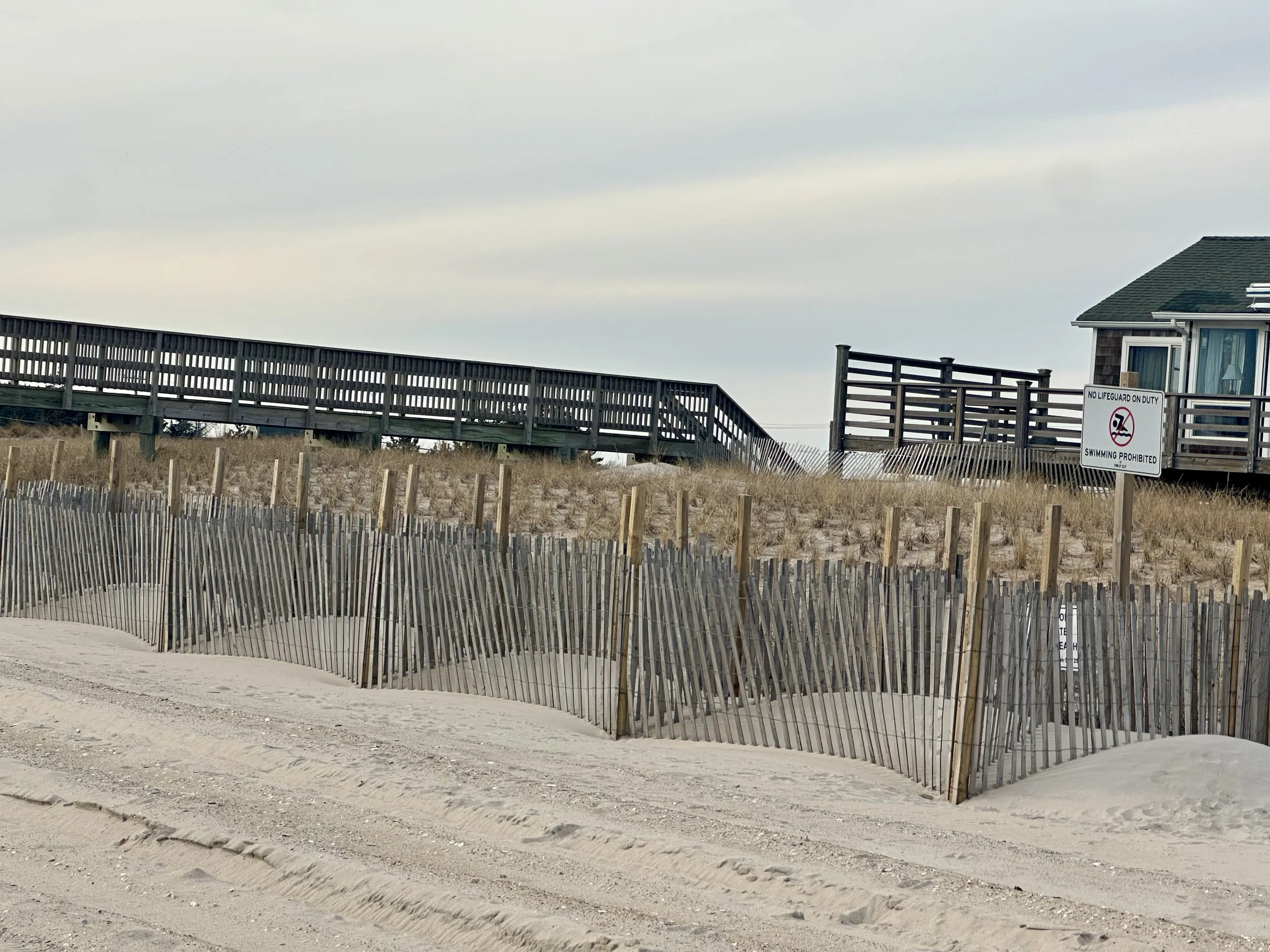
Figure 2D. Catch Basin Sand Capture Concept (Targeted Berm Accretion)
Catch basin‑style dune fencing using tall posts and full‑height fencing to concentrate sand accumulation within a defined footprint.
Bio‑Mimetic Serpentine Fencing (Preferred Method)
True bio‑mimetic fencing is not zig‑zag.
This method uses standard 5‑foot snow fence rolls cut in half, configured as two‑ or three‑wire fencing, installed in approximately 50‑foot lengths. Fence segments are lightly embedded and arranged in a soft serpentine (curvilinear) pattern, without tall posts extending above grade.
The curved geometry distributes wind load naturally, allowing rapid burial and early stabilization. Sand is effectively “boxed in” by curvature rather than rigid containment.
This faster accretion supports phased installation: a first row at the dune toe, followed by additional rows seaward and above grade as the dune builds.
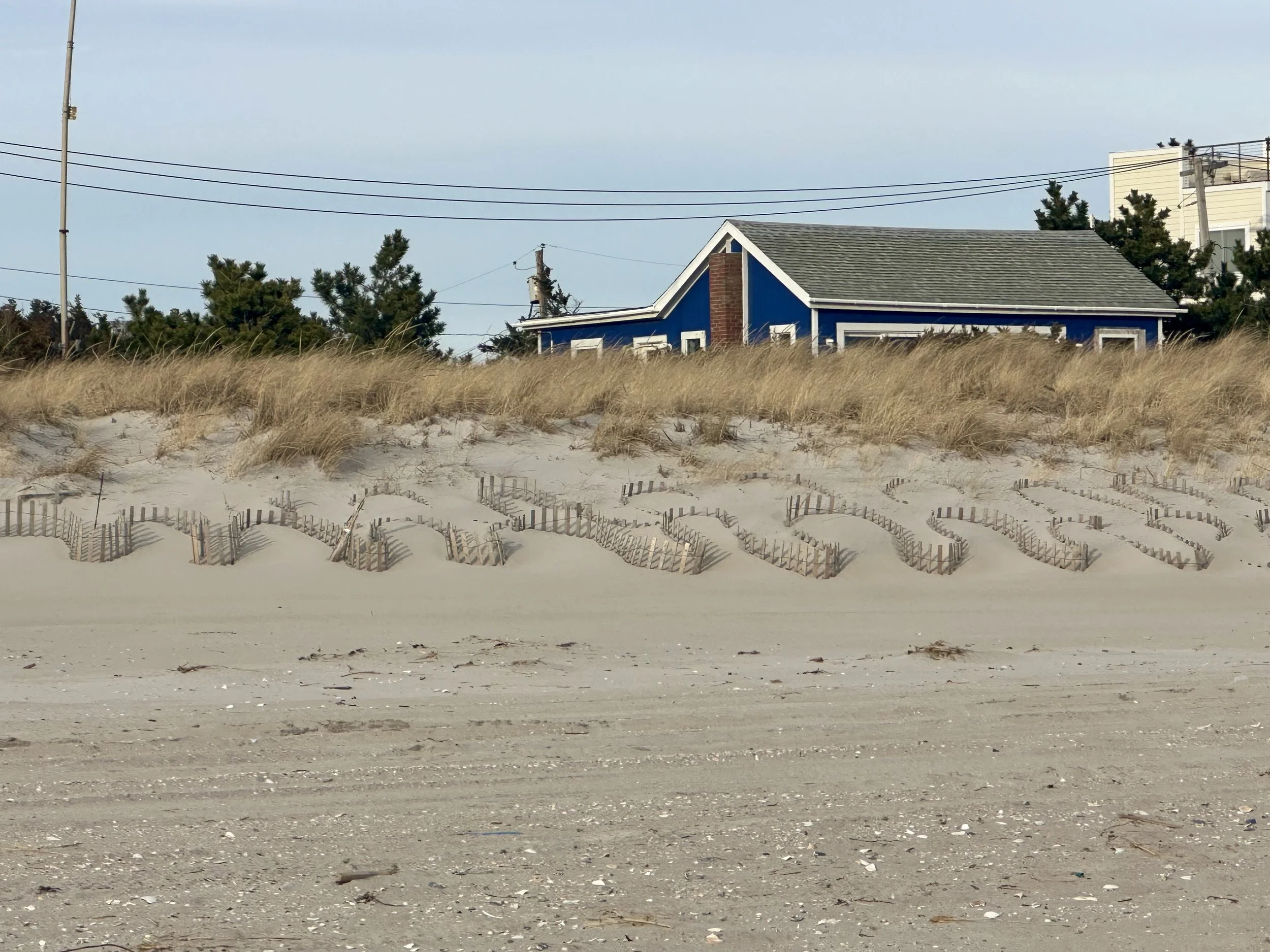
Figure 3A. Bio‑Mimetic Serpentine Dune Fencing (Active Sand Capture)
Low‑profile, cut‑down snow fencing installed in a serpentine pattern, capturing and stabilizing sand through curved geometry and rapid accretion.
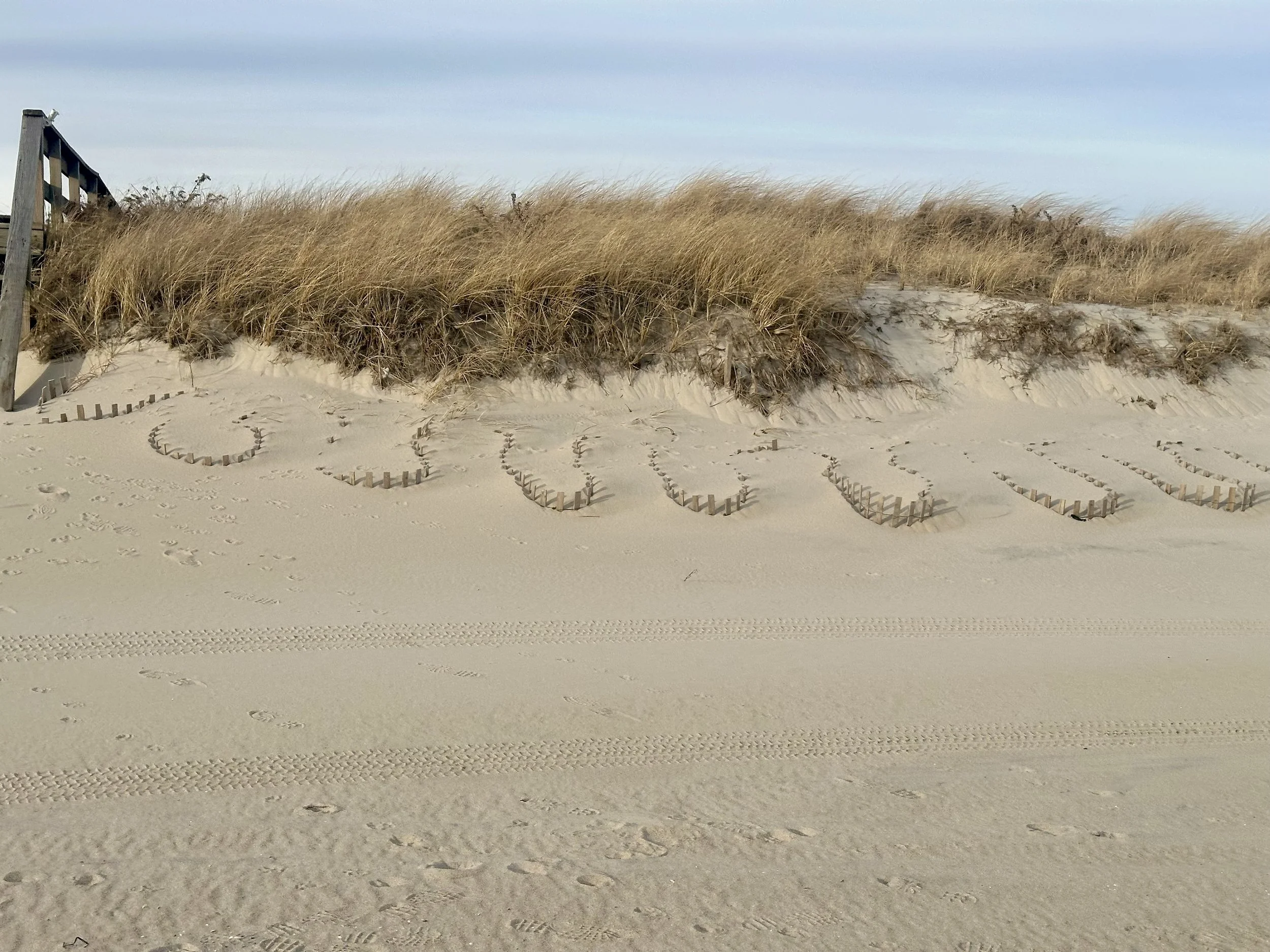
Figure 3B. Bio‑Mimetic Serpentine Dune Fencing (Distributed Berm Formation)
Serpentine fencing shown forming continuous sand deposition along the dune toe prior to full burial.
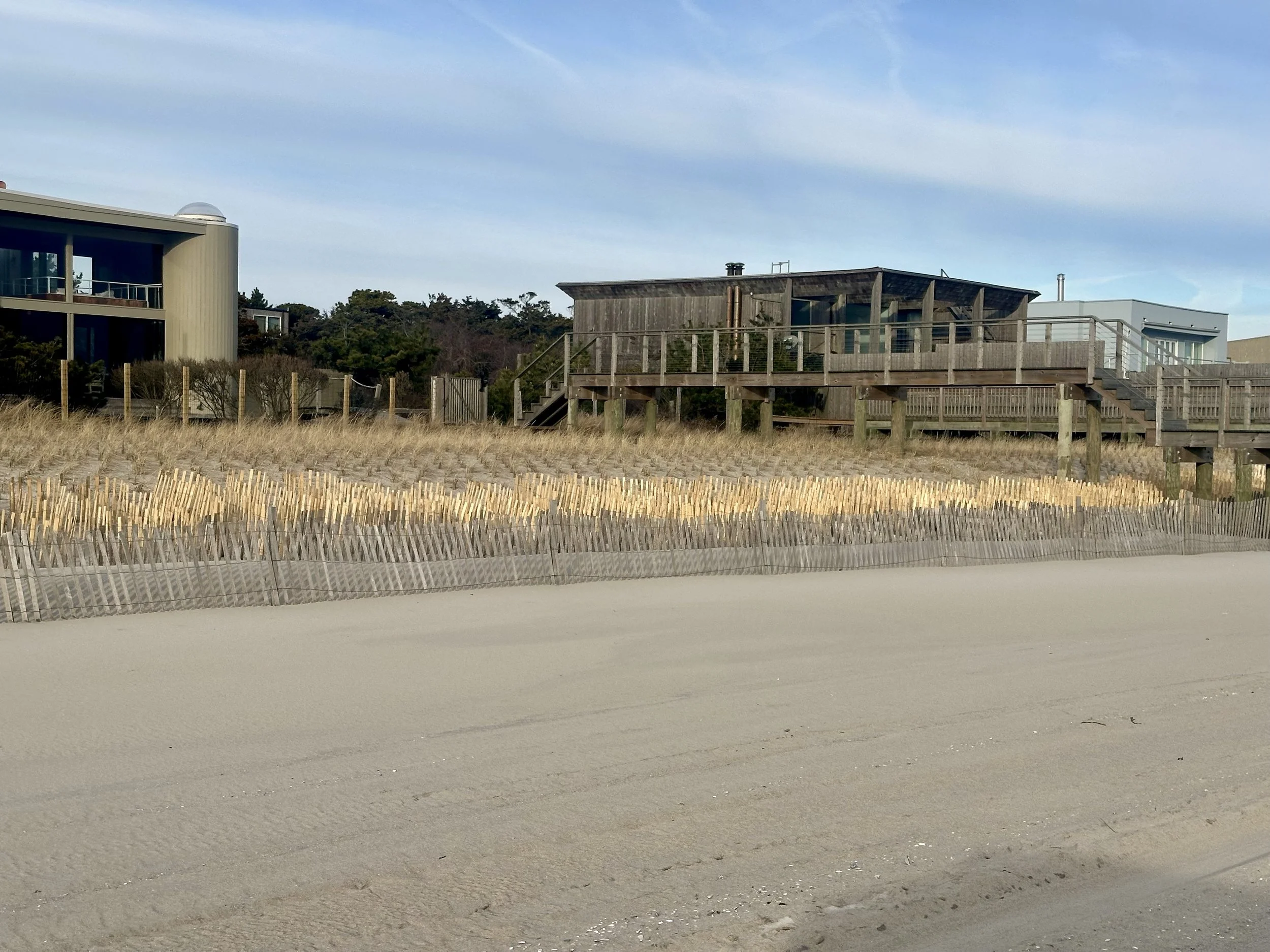
Figure 3C. Bio‑Mimetic Serpentine Fencing Maintained Following Army Corps Project. Fall of 2025
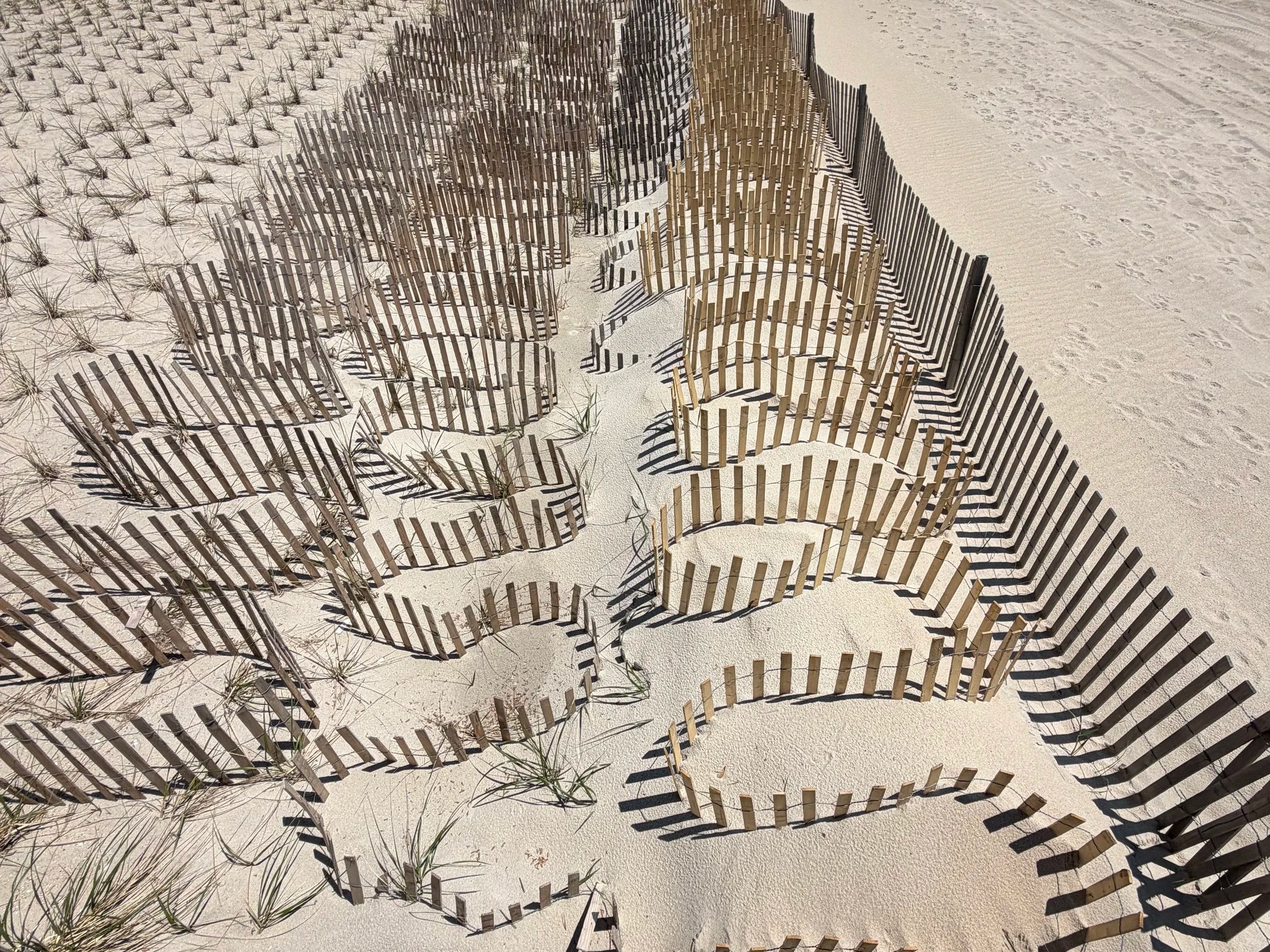
Figure 3D. Additional serpentine fence rows installed season to season to build and reinforce the berm. Shown here: Season 3, Row 3 installed above the previous fall installation as the dune continues to accrete. Spring of 2026.
Serpentine dune fencing maintained by the community following completion of a large‑scale Army Corps project, illustrating hybrid implementation where standardized dune construction is supported by ongoing bio‑mimetic maintenance practices.
Seasonal Timing and Maintenance Cycle
Optimal installation occurs prior to peak sand-moving wind seasons to ensure early burial and stabilization before winter storms. Maintenance should be anticipated as cyclical: storms remove sand, wind rebuilds dunes, and fencing guides recovery.
This cycle will repeat indefinitely, and should be anticipated, not resisted.
Since completion of the primary study period, the current winter season has resulted in a net sand gain along much of Fire Island’s oceanfront. Predominantly southern winds, combined with a relative lack of major storm events, have produced sustained beach movement and favorable conditions for sand transport. As a result, sand has been actively building at dune edges, filling in the toe of the dune and contributing to measurable berm development.
Under these conditions, most dune fencing installations, across multiple methods, have performed successfully. This outcome underscores the importance of dune fencing strategies deployed at the appropriate time of year, positioned and maintained to take advantage of favorable wind regimes and seasonal sand availability.
It is equally important to recognize that these results reflect a relatively calm winter. Should a major storm or nor’easter make landfall, the toe of the dune is expected to experience tidal movement and erosion, and fencing systems may be disturbed prior to stabilization through accretion. The question is not whether disturbance will occur, but to what degree, and with what consequences.
In evaluating fencing strategies, consideration should therefore extend beyond initial performance to the full life cycle of the system: the time and energy invested in installation, the number of seasons or years the fencing successfully contributed to sand accretion, whether that benefit justified the investment, and, critically, whether the fencing caused additional damage to the dune or beach when compromised during storm events.
Understanding dune fencing within the broader life cycle of dunes, sand burial, stabilization, erosion, and recovery, allows for more informed decisions about maintenance practices. The most effective strategies are those that capture sand when conditions are favorable, accept disturbance when storms arrive, and minimize secondary impacts to the dune system when failure occurs.
Conclusion and Recommendation
Dune erosion on Fire Island is inevitable. Dune fencing exists not to stop storms, but to manage recovery and delay overwash.
Field documentation demonstrates that the bio‑mimetic serpentine fencing method achieves faster sand burial, greater structural stability, reduced debris risk, and a dune form that more closely resembles natural foredunes, using significantly less material.
Recommendation
Fire Island should adopt a unified bio‑mimetic serpentine fencing standard, emphasizing:
Minimal material input
Curvilinear serpentine layout
Rapid sand burial
Phased multi‑row installation
Ongoing maintenance as stewardship
This approach respects Fire Island’s natural dynamics while providing the most reliable, repeatable line of defense for both human and ecological communities.
List of Figures
Figure 1A. Standard Dune Fencing Method (Baseline Condition)
Figure 1B. Standard Dune Fencing Under Early Wind Exposure
Figure 2A. Contractor‑Installed Zig‑Zag Fencing with 4"×4" Posts
Figure 2B. Zig‑Zag Fencing Prior to Stabilization by Sand Accretion
Figure 2C.Zig-zag dune fencing mounted on vertical 4” × 4” posts following displacement under erosion and wave activity.
Figure 2D. Catch Basin Sand Capture Concept (Targeted Berm Accretion)
Figure 3A. Bio‑Mimetic Serpentine Dune Fencing (Active Sand Capture)
Figure 3B. Bio‑Mimetic Serpentine Dune Fencing (Distributed Berm Formation)
Figure 3C. Bio‑Mimetic Serpentine Fencing Maintained Following Army Corps ProjectFigure 2D. Catch Basin Sand Capture Concept (Targeted Berm Accretion)
Figure 3A. Bio‑Mimetic Serpentine Dune Fencing (Active Sand Capture)
Figure 3B. Bio‑Mimetic Serpentine Dune Fencing (Distributed Berm Formation)
Figure 3C. Bio‑Mimetic Serpentine Fencing Maintained Following Army Corps Project. Fall of 2025 Figure 3D. Additional serpentine fence rows installed season to season to build and reinforce the berm. Shown here: Season 3, Row 3 installed above the previous fall installation as the dune continues to accrete. Spring of 2026.
All figures are field documentation photographs taken on Fire Island and are intended to illustrate relative configuration, burial rate, and performance under comparable coastal conditions.
© 2026